No products in the cart.
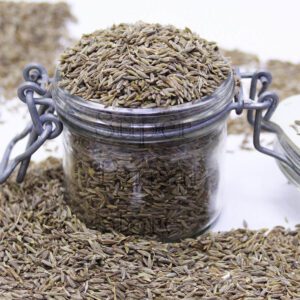
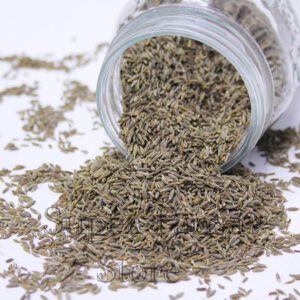
White Pepper (Safeed Mirch) مرچ سفید


Roll over image to zoom in
Price range: ₨ 250 through ₨ 3,850
Super White Pepper: The Subtle Spice of Elegance and Depth
White pepper (Piper nigrum) is a delicate cousin of black pepper, prized for its mild heat and earthy, slightly fermented flavor. Unlike black pepper, which is made by drying the unripe fruit, white pepper comes from fully ripened peppercorns that have had their outer skin removed, leaving only the seed. This results in a smoother, less pungent taste, making it a preferred choice for light-colored dishes like creamy sauces, soups, mashed potatoes, and salads where the visual appeal is important. White pepper adds a sophisticated spice without overpowering the other ingredients. In addition to its culinary versatility, white pepper is known for its digestive benefits and its ability to stimulate circulation. Often used in fine cuisine for its subtlety and nuanced flavor, white pepper offers a refined heat that enhances dishes with understated elegance.
- Premium Quality
- Fresh
- Organic
- Safely processed and packed
Overview
White pepper comes from black pepper.
This king of spices comes with a culinary companion.
As the name rightfully suggests, white pepper comes in white and gray hues.
They are similar in shape to black pepper.
White pepper is a scientific name for peppercorns and comes from the pepper family.
White pepper brilliantly complements the flavor of any recipe.
Benefits
Digestive Health:
Like black pepper, white pepper may have digestive benefits.
It stimulates the production of stomach acid, which can aid in digestion.
Anti-Inflammatory Properties:
Black and white pepper contain piperine, which has been studied for its potential anti-inflammatory effects.
It may help reduce inflammation in the body.
Antioxidant Activity:
White pepper, like black pepper, contains antioxidants that can help neutralize free radicals.
Antioxidants are important for early health and may contribute to disease prevention.
Weight Management:
Some studies suggest that the piperine in white pepper may interfere with the formation of new fat cells.
These cold potentials are beneficial for weight management, although more research is needed.
Enhanced Nutrient Absorption:
The wells of this plant were known to absorb nutrients, but the truth is that curcumin comes from turmeric.
When combined with other spices or herbs, white pepper may increase the bioavailability of their beneficial compounds.
Natural Antibacterial Properties:
Some studies suggest that white pepper, like black pepper, may have natural antibacterial properties.
Piperine has demonstrated inhibitory effects against certain bacteria.
Uses
It is commonly used in various culinary applications to add a subtle heat and aroma to dishes.
Here are some common uses of white pepper in cooking.
Creamy Sauces:
Its color blends well with the light color of the sauce, and its flavor complements the richness of the dish.
Mashed Potatoes:
White pepper is commonly added to mashed potatoes to season them subtly.
Its fine texture allows for even distribution throughout the dish.
Seafood Dishes:
The mild heat of white pepper makes it suitable for seasoning delicate seafood dishes, allowing the natural flavors of the seafood to shine.
Vegetables:
Use white pepper to season steamed or sautéed vegetables, allowing their natural flavors to come through without adding a strong pepper taste.
Pickling:
White pepper is a common ingredient in pickling recipes, and the mild spices are a staple in pickling liquids.
Marinades:
Use white pepper in marinades for meats to avoid the visual impact of black pepper in lighter-colored dishes.
Sauces for Poultry or Pork:
White pepper works well in sauces for poultry or pork, providing flavor without overpowering the meat.
Asian-inspired Broths:
You use white pepper in Asian-inspired broths.